

Whether you’re climbing at Yosemite or your local crag, it’s important to know what to bring to ensure a safe and fun trip. This guide covers what to bring, focusing on safety, equipment, fuel, and additional tips to help keep the outdoors accessible for everyone.
Leave No Trace: When climbing indoors or outdoors, treat the space with respect. What you hike in, you hike out. Be mindful of your surroundings, especially if using speakers for music.
Before You Go
- Check for Closures & Permits: Some areas may be closed due to hunting season, require parking or park passes, or need permission for private property. Bring all necessary forms.
- Weather: Always check the weather before heading out. Poor weather can ruin a trip and create safety risks.
Safety
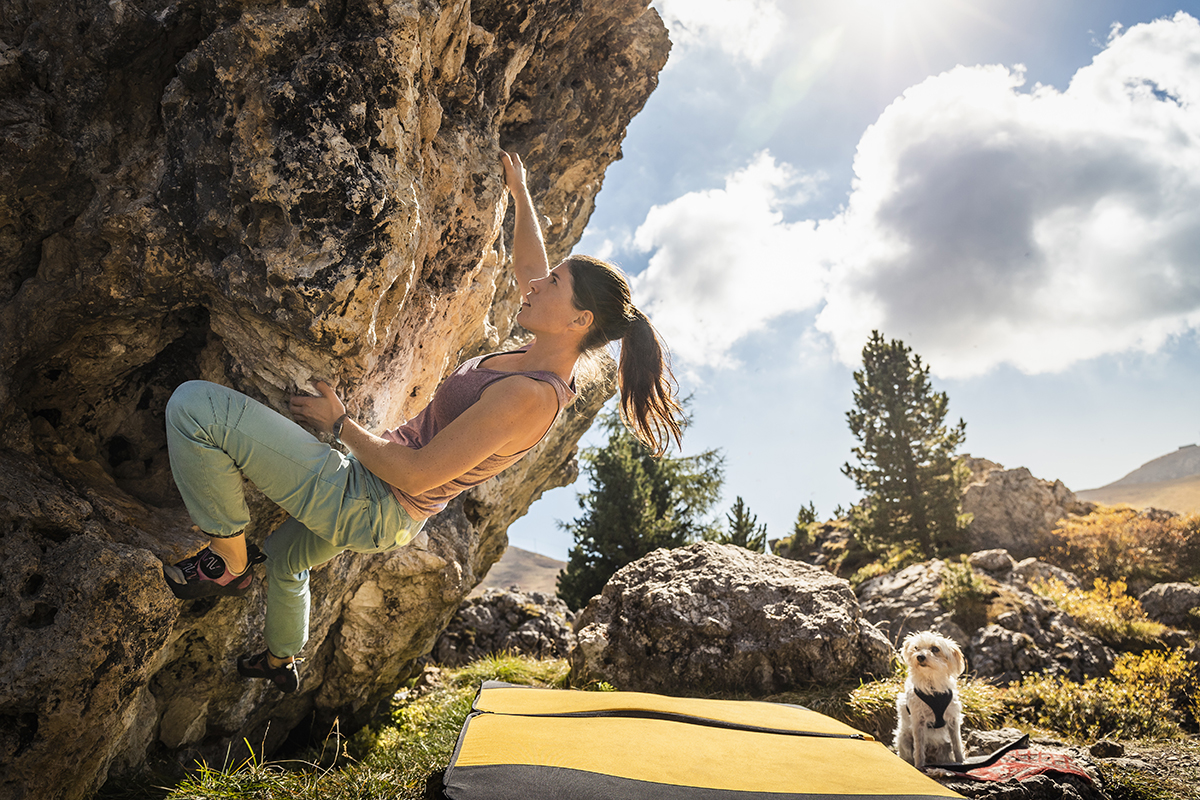
- Boulderers:
- Bring enough crash pads for the area and type of climbs.
- Place pads not just on the ground, but also against trees or crevices to prevent injuries.
- Use spotters for high falls.
- Sport Climbers:
- Pack extra quickdraws in case one breaks or is damaged.
- Helmets are highly recommended for head protection.
- Top Rope Climbers:
- If you’re not experienced with anchors, have a seasoned climber set up your rope.
- Every knot matters—safety is the top priority.
Climbing is dangerous. Take every safety precaution you can.
Equipment
- Climbing Gear:
- Shoes, chalk bag, chalk bucket, harness, belay device, chalk brush.
- Avoid making messes with chalk—respect the space.
- Warm-Up Tools:
- Bands, portable hangboards, or anything to help you warm up properly.
- Portable fans can help cool off your hands in hot weather.
- Clothing & Protection:
- Dress in layers for warmth and sun protection.
- Sunscreen and sunglasses for UV protection.
- Wear proper shoes for the approach hike.
- Bug spray for mosquito-prone areas.
- Hygiene:
- Bring hand sanitizer and toilet paper.
- When digging a “cathole” for waste, dig 6–8 inches deep and 4–6 inches wide. Bury or pack out toilet paper.
Fuel
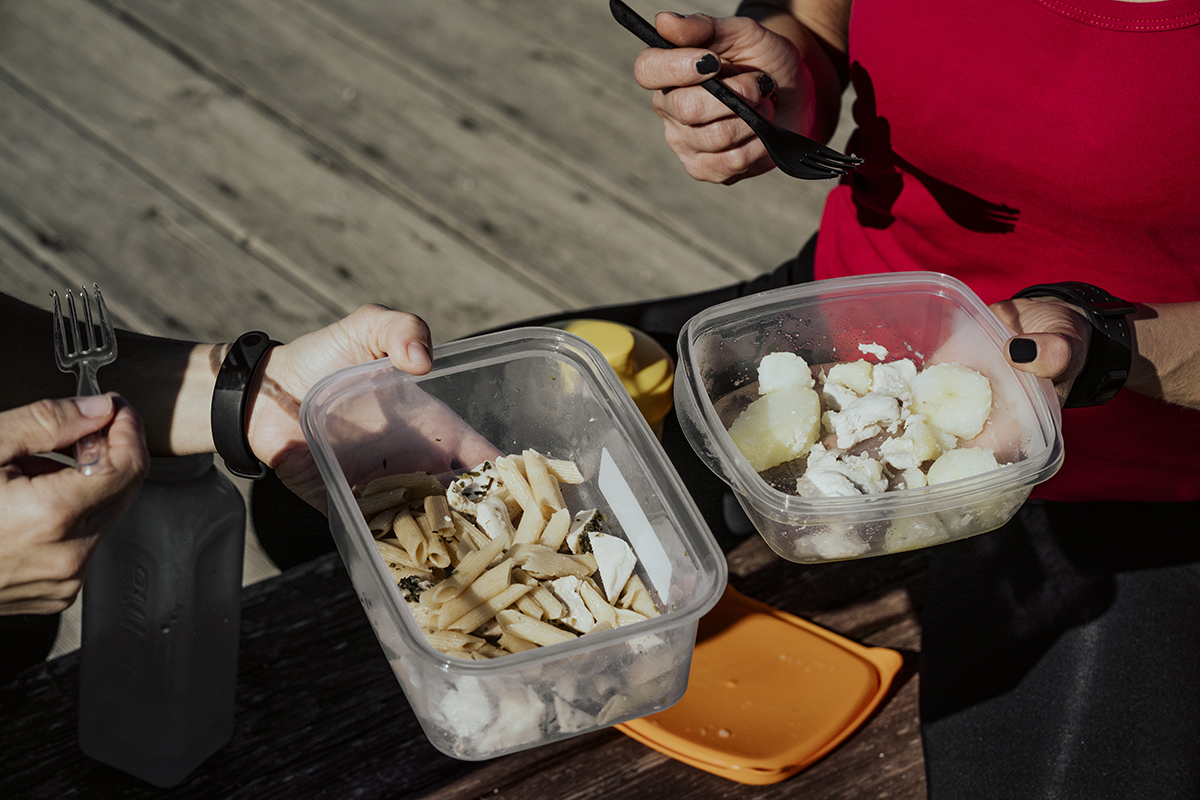
- Food:
- Bring snacks and meals that are easy to pack and eat, like sandwiches.
- Consider a cooler for longer trips or larger groups.
- Hydration:
- Bring plenty of water and electrolytes.
- Pack Out Trash:
- Take out everything you bring in, including biodegradable items like apple cores or nut shells.
Final Tips
Regardless of whether you’re bouldering or climbing ropes, all the gear on this list can benefit you and help you send your next outdoor project. Stay safe, be smart, and have fun!

